

How to overcome challenges in the fruit processing industry
Fruit processing is a key sector of food manufacturing. Fruit production in the UK doubled in value between 2010 and 2022, showing rising demand for fruit products that plants needed to meet.
However, as with any product type, fruit processors must overcome challenges to guarantee results. Start by understanding the unique requirements of fruit and the tools designed to maximise quality.

Our guide explores expectations in the fruit sector, the barriers to cross, and our tips and solutions for creating consistently outstanding output.
- Requirements in the fruit sector
- The challenges
- How to process fruit effectively in your production line
Requirements in the fruit sector
There are specific requirements you must meet to satisfy your customers.
Firstly, you must maintain a positive presentation of your products. Fruit that looks damaged or soiled will deter customers, so it is crucial to minimise any harm that may affect the product’s look.
This includes the packaging of your product, ensuring that produce sits as intended and is adequately protected from external influences.
Alongside appearance, you need to handle products so that taste and integrity are not negatively impacted and freshness is maintained.
Hygiene and safety will play a major part here, as all products should be safe to consume with minimal risk of contamination.
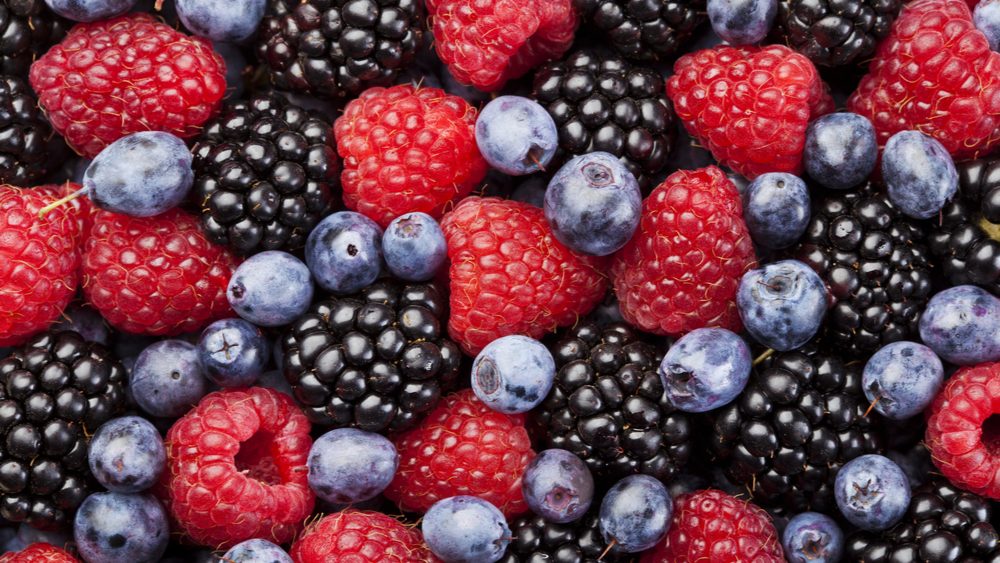
Another crucial factor is portion control. Most fruit products will have pre-defined limits under your contract specifications. You need to sort the precise amount of product required to meet these specifications with little room for error.
It is particularly significant when working with mixed products where multiple fruits or other materials must be combined at agreed quantities or weights.
Adhering to portion control is also an instrumental factor for cost management, enabling you to get more from your supplies and minimise waste.
Finally, different fruit products are processed into various pack types. Your production line should be equipped to handle changes in pack type and size for consistent quality.
The challenges
Given the requirements, fruit processors must overcome unique challenges to drive quality across their output and meet customer expectations. We have explored them below.
Contamination
One of the most significant issues facing is the risk of contamination. Due to its origins, fruit is prone to dirt, stone, pesticides and insects.
The risk could extend further. In 2018, a scandal occurred when needles were found in Australian strawberry crops, leading to wide-scale investigations to find the source.
Any contamination endangers your customers, resulting in dissatisfaction, complaints, costly product recalls and even legal action. It will damage your reputation and make your products unappealing, with disastrous consequences for your revenue – so it must be avoided.
Product flow
Fruit products are often affected by residue that makes them sticky. It makes them difficult to process as they are easily stuck along the production line, leading to build-up and blockages. If left unaddressed, it could result in excess waste and giveaway while causing disruption and machine breakdowns.
You need to invest in compatible equipment that enables produce to flow smoothly. Doing so will also reduce the risk of materials being damaged during production.
Environmental conditions
Fruit often requires colder temperatures to prevent ingredients from soiling and maintain freshness. If you are working with frozen fruit, you’ll need to work at even lower temperatures to maintain product integrity.
Your production lines need equipment that is still highly functional, even in lower temperatures, for you to meet your goals while abiding by the plant environment.
Delicate handling
Most fruit products are delicate. They are easily damaged and bruised if roughly handled.
If a product is visibly damaged, it may prevent customers from buying. You need to handle products in a way that minimises the risk of damage, which often means utilising manual processes or finding machinery that allows for careful processing.
Accuracy
Due to the importance of portion control in maintaining costs and adhering to specifications, you must ensure that fruit products are accurately weighed and within your pre-agreed limits.
Investing in accurate weighing equipment is crucial to sorting materials into the precise portions you need for each product, making for more effective processes that minimise giveaway.
Handling of high loads
Most fruit processors will handle high volumes of produce. You need machinery that handles high loads without compromising on accuracy or speed.
By building a production line capable of processing high volumes of materials, you will improve turnaround times and minimise the cost of production while maintaining quality output.
Changes in product format and pack size
Finally, you will likely experience format changes if you work with multiple fruit products. A banana has very different integrity to a strawberry – and you need a production line equipped to handle every fruit type you work with.
Alongside format variety, different products require specific packing requirements, such as various shapes and sizes. You need to package all products efficiently.
The key is finding resilient and versatile solutions while addressing your products’ varying needs, even when they drastically shift.
How to process fruit effectively in your production line
With the challenges of fruit processing outlined, you’re probably wondering how to overcome them. Our tips, gained from years of experience supporting fruit processors, are here to guide the way.
Find compatible machinery
The first step to an outstanding production line is using machinery designed to meet the needs of your products. In the case of fruit, you need equipment that allows for excellent product flow, fragile handling and performance even in cold environments.
Look for solutions with features that correlate with your product requirements. Examples include:
- Anti-static surfaces that prevent sticky substances from building up and improve product flow
- Dimpled plated buckets with large radius corners, preventing substances from getting stuck during weighing
- Minimal drops to avoid bruising
- Suitable IP ratings to withstand product residue and condensation in colder temperatures
It is worth discussing your needs with your chosen machinery supplier to ensure your purchased equipment is suitable for your products and plant conditions. By comparing the features, alongside its overall efficiency and accuracy, you will design a production line that completes all the functions needed and delivers high-quality output.
Utilise accurate weighing equipment
Weighing accuracy is critical in the fruit sector. You need to provide the exact quantity intended to meet specifications.
Your chosen weigher should be high-performing and reliable, enabling you to consistently meet the weight limits agreed in your contract and as per the product labelling. It should have minimal tolerance levels to reduce product giveaway and manage costs.

Most fruit processors also need to handle high volumes of produce, so a weigher with a high capacity that offers accuracy is key.
Yamato has many world-class weighing solutions designed for this purpose, including the excellent Omega-series multihead weigher, which handles volumes up to 18 litres with up to 32 weigh heads.
Invest in a high-performing production inspection system
With the range of contaminants fruit may be susceptible to, it’s crucial to have adequate processes that detect and protect against contamination.
Having a high-performing product inspection system is critical. It will enable you to review your products at the appropriate points in the process, identify contamination and take proactive steps to remove it before it reaches your customers. Doing so will enable you to meet industry standards, enhance customer safety and maintain your reputation.
There are multiple choices when it comes to product inspection, including:
- Checkweighing – designed to check the weight of output and identify failure to meet your set parameters
- Metal detection – enabling you to identify contaminants in your products, including those from broken machinery
- X-ray – safeguarding offer a wide variety of contaminant detection, including stone, metal and plastic
X-ray also allows you to uncover other issues, including broken package seals or poor presentation.
It is worth noting that even an x-ray cannot detect some contaminants, such as pesticides and insects. You need manual processes, including washing fruit before processing, to reduce the risk.
Use automation
With skills shortages plaguing the manufacturing industry, including the fruit sector, more plants are turning to automation to fill the gap.
There are many benefits to implementing automation in your plant. It’s faster, allowing you to work through high volumes in a shorter timeframe. It also minimises the labour cost associated with production.
However, be careful when utilising automated equipment. Due to the speed involved, some automated machines may not offer the delicate handling required.
Finding solutions that allow you to harness the benefits of automation without compromising the quality of your output is vital.
In this instance, semi-automatic options may be ideal, combining the gentleness of manual handling with the speed of automation.
Have hygienic processes in place
In any food sector, hygiene is integral to complying with standards. In the fruit sector, where your products need to be fresh, it’s particularly crucial to maximise hygiene – or you risk deterring customers.

Start by implementing hygienic processes in your production. These could include washing materials before processing to remove the risk of pesticides and dirt etc.
You should also maintain regular procedures that reduce the risk of hygiene issues, including:
- Frequent handwashing
- Wearing hairnets, gloves and other PPE
- Routine factory cleaning
Due to the nature of fruit products, cleaning will also be necessary in between batches to eliminate build-up and prevent cross-contamination across lines.
It’s recommended to find easy–to–clean equipment, including those with a sufficient IP rating to protect against water ingress, stainless steel features or large radius corners on bucket heads. It minimises time spent cleaning between batches for improved efficiency and hygiene.
Be flexible
Another challenge in the fruit sector is adapting to changes in product format or pack type. If you are working across numerous projects on the same line, it’s even more essential that you have the ability to switch easily. You need a flexible production line that caters to your various needs.
Aim to find intelligent machinery that is easy to reprogramme as required to account for product and pack changes. Ideally, these programmes should be stored for you to quickly switch between when needed.
Conclusion
When working with fruit, quality is critical. Customers expect fresh products that look and taste great, with no nasty surprises.
It’s also crucial for your plant to carefully manage costs and meet deadlines, which means ensuring speed, accuracy and the ability to handle produce in bulk.
By implementing effective machinery, including accurate weighers and comprehensive product inspection systems, and hygiene procedures, you will always meet customer standards and maximise sales potential.
If you want to optimise your fruit processing lines, Yamato has the solutions you need.
From hygienic weighers designed to handle your materials effectively to production inspection options that safeguard your products against a wide range of contaminants, we have an answer for every need.
Our systems are also programmable to your specifications, enabling you to consistently meet your parameters and create uniform output.